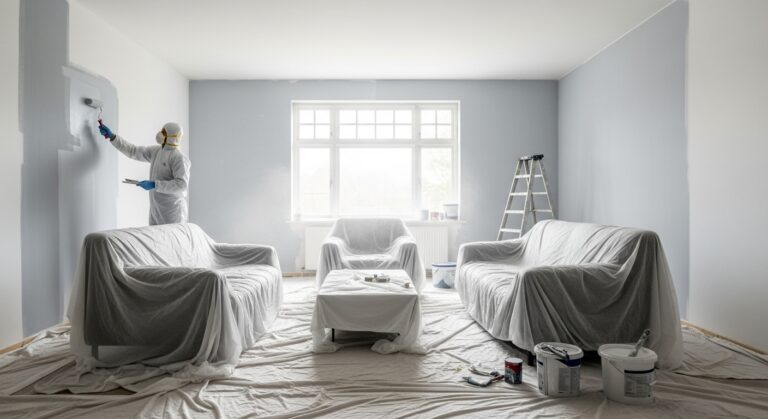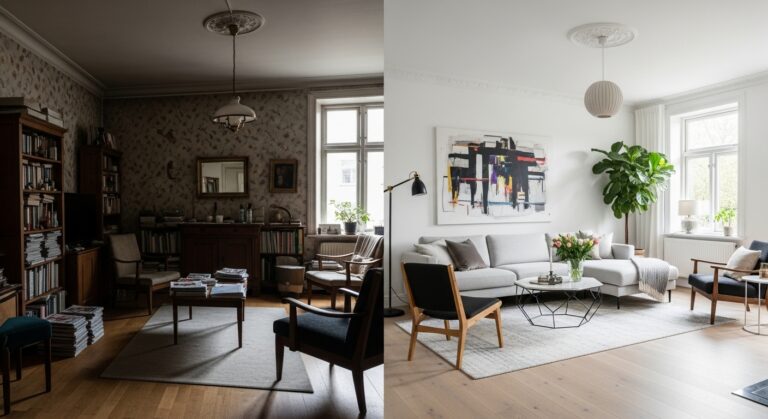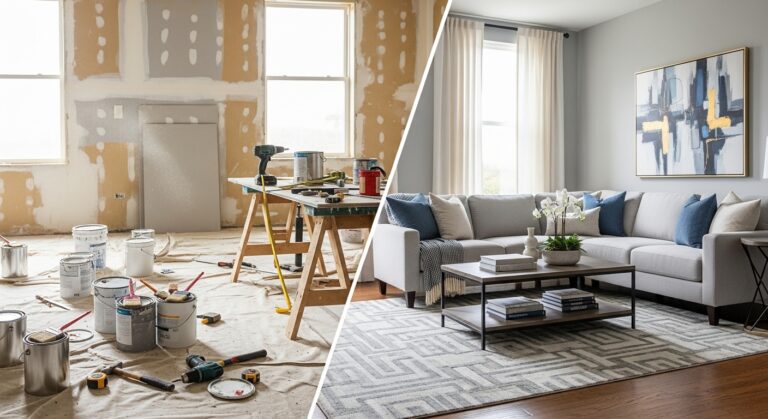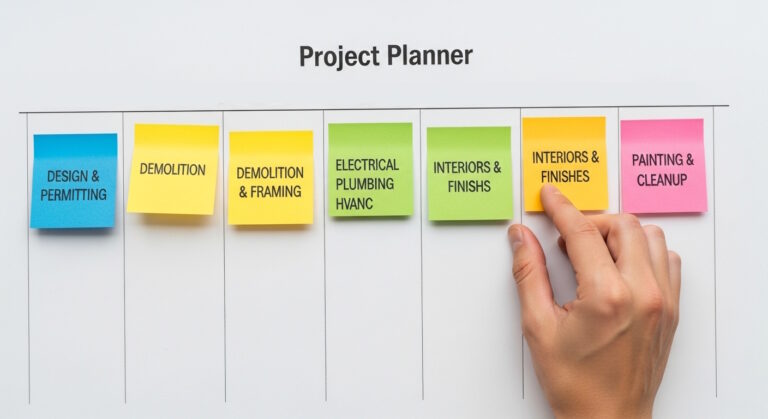
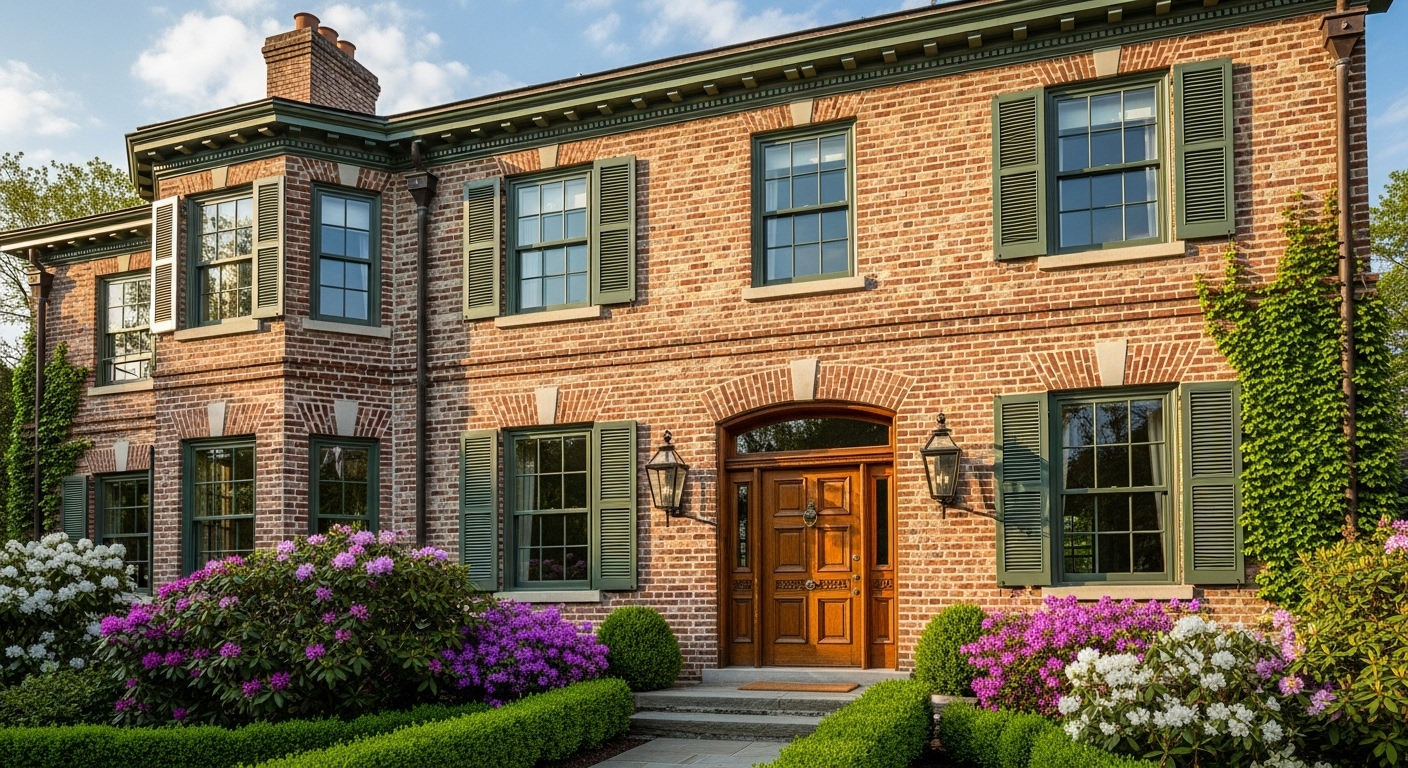
Renovating an old house requires balancing restoration and modernization. The goal is to preserve your home’s unique architectural character and historic appeal while upgrading it for modern comfort, safety, and efficiency.
Understand What Makes Your Old House Special
Before starting, identify your home’s defining features—ornate woodwork, arched doorways, fireplaces, vintage moldings—that tell its story and give it character. These elements are worth preserving or restoring to maintain charm and authenticity.
Step-by-Step Guide to Preserving Character in Renovation
1. Conduct a Thorough Inspection
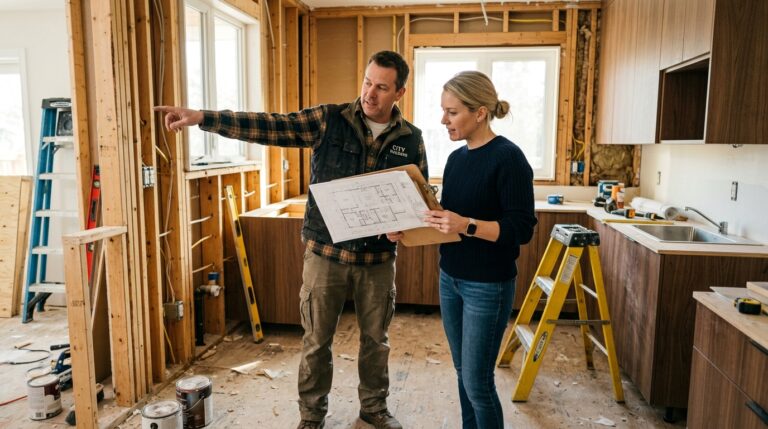
Engage a specialist familiar with historic homes to assess structural integrity, water damage, wiring, plumbing, and other issues. Prioritize repairs that stabilize the home without unnecessary removal of original features.
2. Restore Rather Than Replace
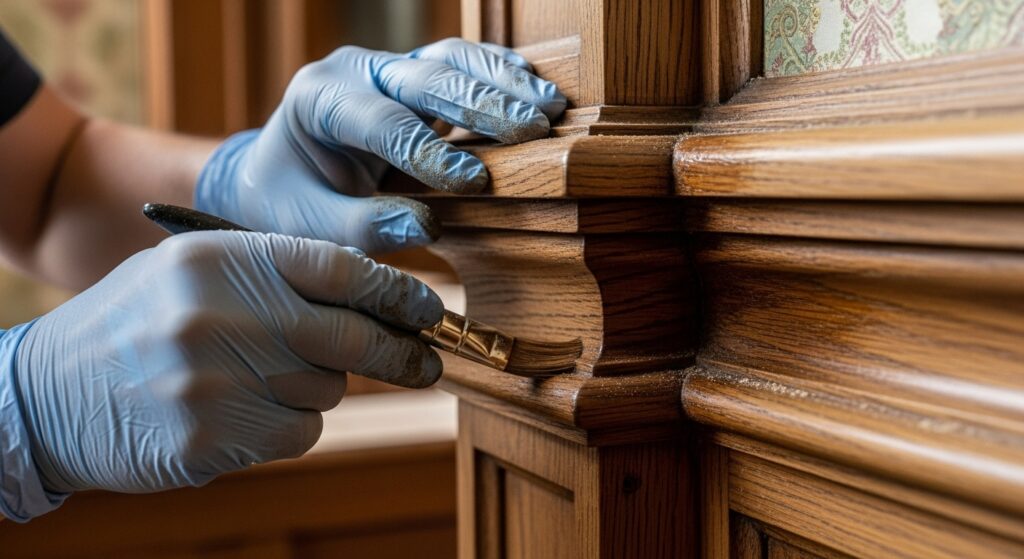
Whenever possible, preserve original wood floors, trim, doors, and fireplaces. Clean, repair, and refinish instead of replacing, using period-appropriate materials and UV-protective finishes to prolong life.
3. Update Systems Discreetly
Modernize electrical, plumbing, insulation, and HVAC systems to meet current codes—conceal wiring and pipes behind walls or under floors to keep aesthetics intact. Use energy-efficient windows that replicate original styles.
4. Choose Period-Appropriate Fixtures
Select lighting, hardware, faucets, and appliances that blend vintage style with modern convenience. Antique brass knobs, vintage-style sconces, and classic patterned tiles honor the home’s era without sacrificing function.
5. Maintain Architectural Harmony in Design
Keep original proportions, ceiling heights, and room transitions intact. Consider partial openness (e.g., archways or passthroughs) to enhance flow while respecting historic rhythms. Use harmonious color palettes inspired by your home’s period.
6. Use Salvaged and Reclaimed Materials
Source wood, tile, or fixtures from architectural salvage yards for authentic replacements or accents. These pieces help maintain originality and support sustainable building practices.
Table: Balancing Restoration and Modernization
| Aspect | Preservation Strategy | Modern Update Tips |
| Woodwork & Trim | Repair and refinish original moldings | Replace damaged parts with period matches |
| Flooring | Sand and reseal hardwood floors | Add area rugs matching era styles |
| Windows | Restore original sashes and panes | Add storm windows or energy-efficient lookalikes |
| Lighting Fixtures | Preserve or replicate vintage sconces | Use LED bulbs and wiring upgrades |
| Kitchen & Bath | Retain character with vintage-style cabinetry | Install modern appliances with historic finishes |
| Walls & Ceilings | Repair original plaster or wood paneling | Add subtle insulation behind walls |
Key Tips to Renovate Without Losing Charm
- Prioritize retaining original elements that tell your home’s story.
- Choose expert contractors specializing in heritage homes.
- Blend old and new with a delicate balance—don’t shy from modern functionality but avoid erasing character.
- Embrace natural materials and craftsmanship for a timeless look.
- Take detailed “before” photos to guide restoration accuracy.
Expert Renovation Toolkit
Preserve your home’s unique charm the smart way. Get the Renovation Mastery Toolkit with essential planning guides and templates to balance restoration and modernization effortlessly.
Renovation Mastery Toolkit »
Conclusion Renovating an old house is rewarding when done with respect for its history and thoughtful upgrades. Preserving architectural features while improving livability keeps your home’s soul intact, creating a harmonious blend of past and present.