
You don’t need a full-scale remodel to meaningfully increase your home’s value. A series of small, well‑chosen projects can dramatically improve first impressions, comfort, and perceived quality. In this guide, you’ll learn easy renovation projects to boost home value, focusing on ROI‑focused DIYs and inexpensive upgrades that buyers actually care about in today’s market.
What Really Increases Home Value?
Buyers and valuers look at three core things: condition, functionality, and emotional appeal. Projects that make your home feel well‑maintained, brighter, and more move‑in ready nearly always outperform purely decorative splurges in terms of return.
Before you add a project to your list, ask: Will this reduce future work for a buyer, improve daily living, or upgrade the overall impression of the home? If it hits at least two of those, it usually belongs on your “small projects that add value” list.
Curb Appeal Projects That Add Value
- Refresh the Front Door and Entry
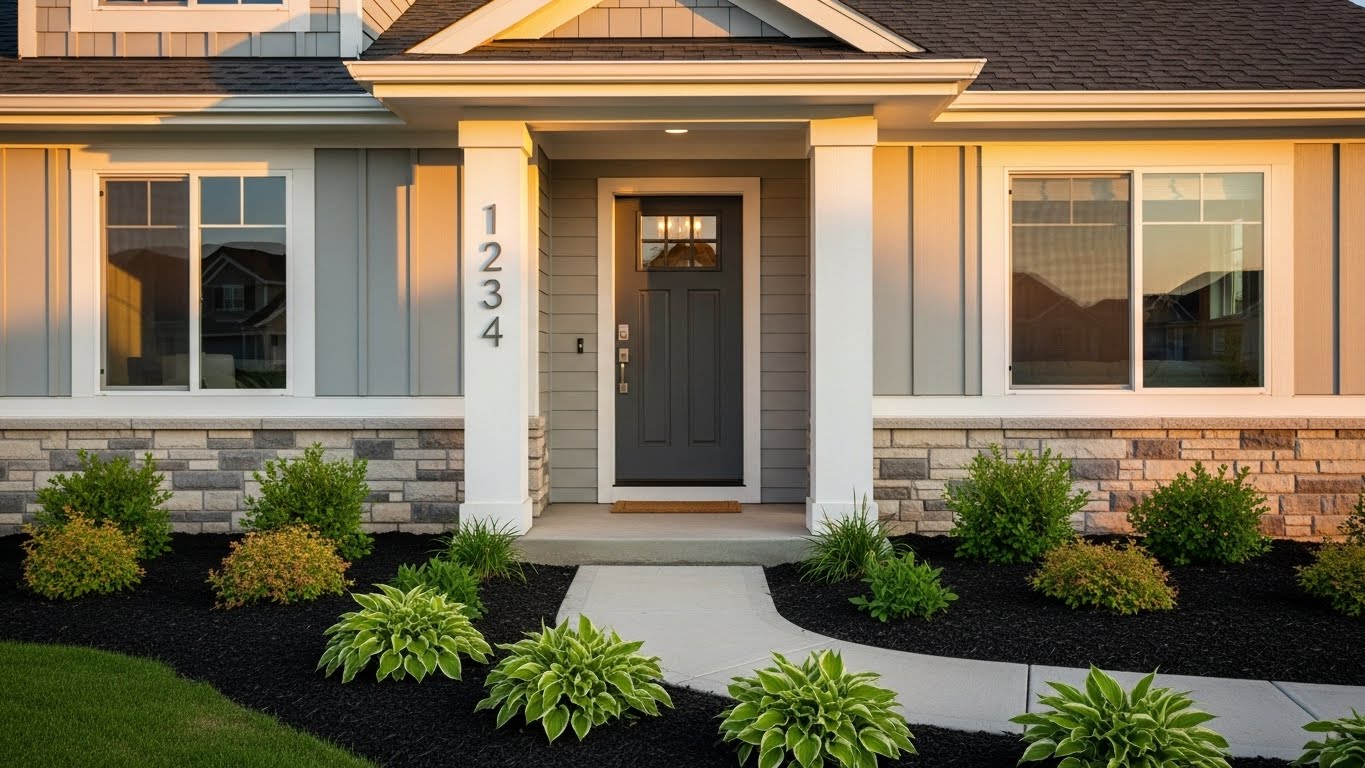
Your front door is one of the highest‑ROI exterior upgrades because it dominates first impressions. A simple weekend project can include:
- Sanding and repainting the door in a bold but classic color.
- Updating the handle set and adding a smart lock.
- Installing modern, easy‑to‑read house numbers.
- Adding a new doormat and a couple of potted plants.
Short, low‑effort projects like this are exactly where hidden traps (permits, timing, scope creep) can sneak in. Walking through a structured checklist such as the Renovation Survival Checklist before you start helps you spot issues like missing contingencies, unclear timelines, or material lead times while the project is still tiny and easy to correct.
- Tidy, Low‑Maintenance Landscaping
Neat landscaping increases perceived value by making the home look cared for and move‑in ready. Focus on:
- Pruning overgrown shrubs and trees.
- Edging paths and lawn areas.
- Weeding and topping up garden beds with fresh mulch.
- Adding hardy, low‑maintenance plants near the entry.
Buyers often prefer simple, easy‑to‑maintain gardens over high‑maintenance designs, so aim for clean and structured rather than complex.
High‑ROI Interior DIY Renovation Projects
- Whole‑Home Paint Refresh
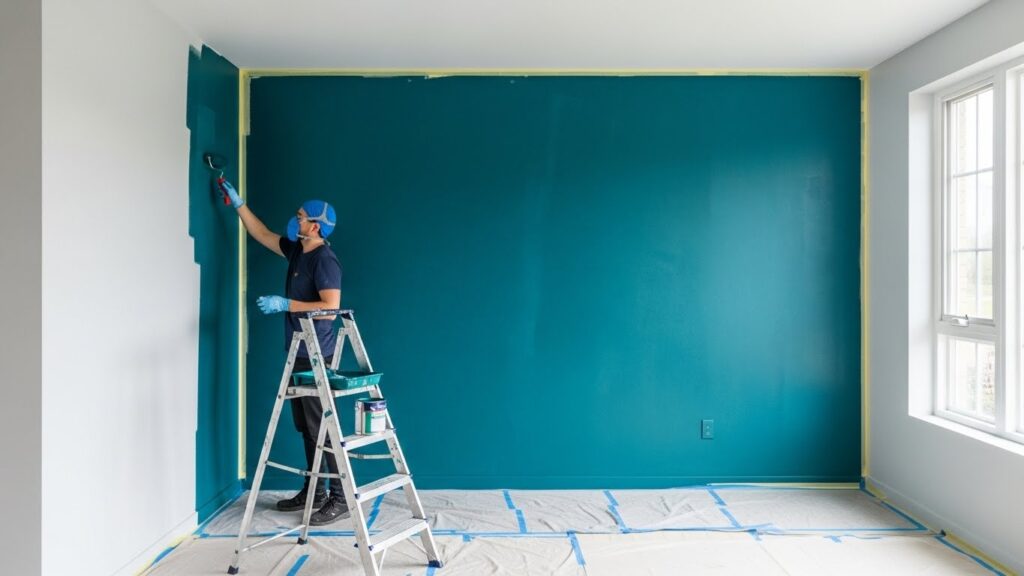
Painting is one of the easiest renovation projects to boost home value because it dramatically changes how a space feels for relatively little money. Light, neutral tones (soft whites, greige, light beige) make rooms feel larger, brighter, and more adaptable to any decor.
Prioritize:
- Entryway and living room.
- Kitchen and main bedroom.
- Scuffed hallways and doors.
When planning several rooms at once, it’s easy to underestimate time, paint quantities, and prep work. Using planning tools like the budget and scope templates found in the Renovation Mastery Toolkit helps you map out each room, calculate costs accurately, and avoid “half‑finished room” syndrome.
- Upgrade Lighting and Switches
Outdated lighting makes even freshly painted rooms feel tired. Swapping old fixtures for simple, modern designs is usually a manageable DIY project and consistently ranks as a high‑ROI improvement.
Focus on:
- Entry and hallway fixtures to strengthen first impressions.
- Kitchen task lighting, such as bright overheads or under‑cabinet strips.
- Bathroom and vanity lighting for a clean, flattering look.
Pair new fixtures with warm‑white LED bulbs and, where appropriate, dimmer switches in living and dining spaces to add flexibility.
Kitchen and Bathroom Mini‑Makeovers
- Small Kitchen Projects That Add Big Value
Kitchens weigh heavily in buyers’ decisions, but you often don’t need a full remodel to boost value. Consider inexpensive upgrades like:
- Replacing cabinet hardware with a modern, consistent finish.
- Painting structurally sound cabinets in a light, timeless color.
- Installing a sleek pull‑down faucet and updating the sink if needed.
- Adding a simple tile or peel‑and‑stick backsplash.
These small projects that add value can transform a dated kitchen into a bright, move‑in‑ready space without touching layout or major plumbing.
- Bathroom Refreshes Without a Gut Reno
Bathrooms are another key area for ROI, and small improvements go a long way. High‑impact, low‑cost ideas include:
- Replacing the vanity light and mirror with cleaner, well‑proportioned options.
- Swapping taps and showerheads for modern, water‑efficient fixtures.
- Re‑caulking around tubs and showers and re‑grouting where needed.
- Adding slim cabinets or shelves for extra storage.
These easy renovation projects boost home value by making bathrooms feel clean, bright, and “hotel fresh” rather than dated or high‑maintenance.
Storage, Function, and Interior Details
- Add Smart Storage Solutions
Concerns about storage are a common reason buyers hesitate. Small, thoughtful upgrades that improve organization can significantly enhance perceived value, such as:
- Installing modular closet systems with hanging, shelving, and drawers.
- Adding floating shelves or built‑in niches in living rooms and home offices.
- Creating a simple mudroom zone near the entry with hooks, a bench, and baskets.
These inexpensive upgrades add value by making everyday life feel easier and more organized, without any major construction.
- Refresh Doors, Hardware, and Trim
Interior doors, handles, and trim are subtle but powerful details. Repainting yellowed doors, standardizing hardware finishes, and touching up scuffed trim help your home feel cohesive and well cared for. Many high‑ROI renovation lists now highlight this type of “whole‑home detailing” as a cost‑effective way to modernize interiors.
When doing several of these detail projects at once, it helps to keep a clear overview of tasks, costs, and timelines. Homeowners juggling multiple mini‑projects at the same time often benefit from a central planning hub like the Renovation Mastery Toolkit, which provides editable spreadsheets and checklists to coordinate everything in one place.
- Example Budget: Inexpensive Upgrades That Add Value
| Upgrade Type | Typical DIY Cost (USD) | Difficulty (1–5) | Value Impact* |
| Whole‑home paint refresh | 200 – 800 | 3 | High |
| Front door + entry update | 80 – 250 | 2 | High |
| Landscaping tidy + mulch | 150 – 500 | 2 | Medium–High |
| Lighting fixture replacements | 150 – 600 | 3 | Medium–High |
| Kitchen hardware + faucet update | 150 – 500 | 2–3 | High |
| Bathroom fixtures + caulk refresh | 100 – 400 | 2–3 | Medium–High |
| Closet or mudroom organizers | 100 – 300 per space | 2–3 | Medium |
*“Value impact” reflects typical ROI rankings from recent home‑improvement reports; actual returns depend on your market and execution.
Location and Market Variation Tip
The best easy renovation projects to boost home value are slightly different in every market. In some regions, buyers prioritize energy‑efficient windows and insulation; in others, outdoor living spaces or updated bathrooms matter more. Before you commit, review comparable listings in your area and note which features appear consistently—such as certain flooring types, air‑conditioning, or landscaped yards.
It can be worth asking a local real‑estate agent which small projects tend to move homes faster in your price band. Adjust your project list so you match (or slightly exceed) what’s normal in your neighbourhood rather than overspending on upgrades local buyers won’t pay a premium for.
Staying Out of “Easy Project” Traps
Even small DIY jobs can become stressful and expensive if you underestimate time, skip permits, or overlook hidden issues like structural repairs or outdated wiring—common traps highlighted in the Renovation Survival Checklist. Using a structured checklist like this helps you catch potential problems early, set realistic contingencies, and protect your budget before you commit to “just a quick weekend project.”
As your list of easy renovation projects grows, coordination matters as much as creativity. The Renovation Mastery Toolkit is designed to act as a command center for your reno, with budgeting templates, planning worksheets, and save‑vs‑splurge tools that support ROI‑focused decisions across multiple mini‑projects.
Bringing It All Together
The smartest home value renovation strategy is rarely a single giant upgrade. Instead, it’s a series of focused, easy renovation projects that together transform how your home looks, feels, and functions. Start with curb appeal, move through paint and lighting, then tackle kitchens, bathrooms, storage, and detail upgrades—always asking which changes a future buyer would appreciate most. To keep those projects stress‑free and profitable, pair on‑the‑ground DIY work with the right planning support. Use the Renovation Survival Checklist to avoid the 20 most common renovation traps before they ambush your budget, then manage your scope, timing, and dollars with the Renovation Mastery Toolkit for a complete, ROI‑focused system from first idea to finished space.