Taking on a DIY renovation project can be rewarding and cost-effective, but it introduces risks including injuries, dust inhalation, and tool accidents. Emphasizing safety from the start protects your health and helps your project go smoothly.
Many homeowners underestimate hazards, but even simple projects need preparation and personal protective equipment (PPE). Incorporating proper safety measures reduces risks and builds confidence.
Essential Tools and Protective Gear for DIY Renovations
Using the right tools in good condition and wearing appropriate PPE are the first steps to a safe workspace:
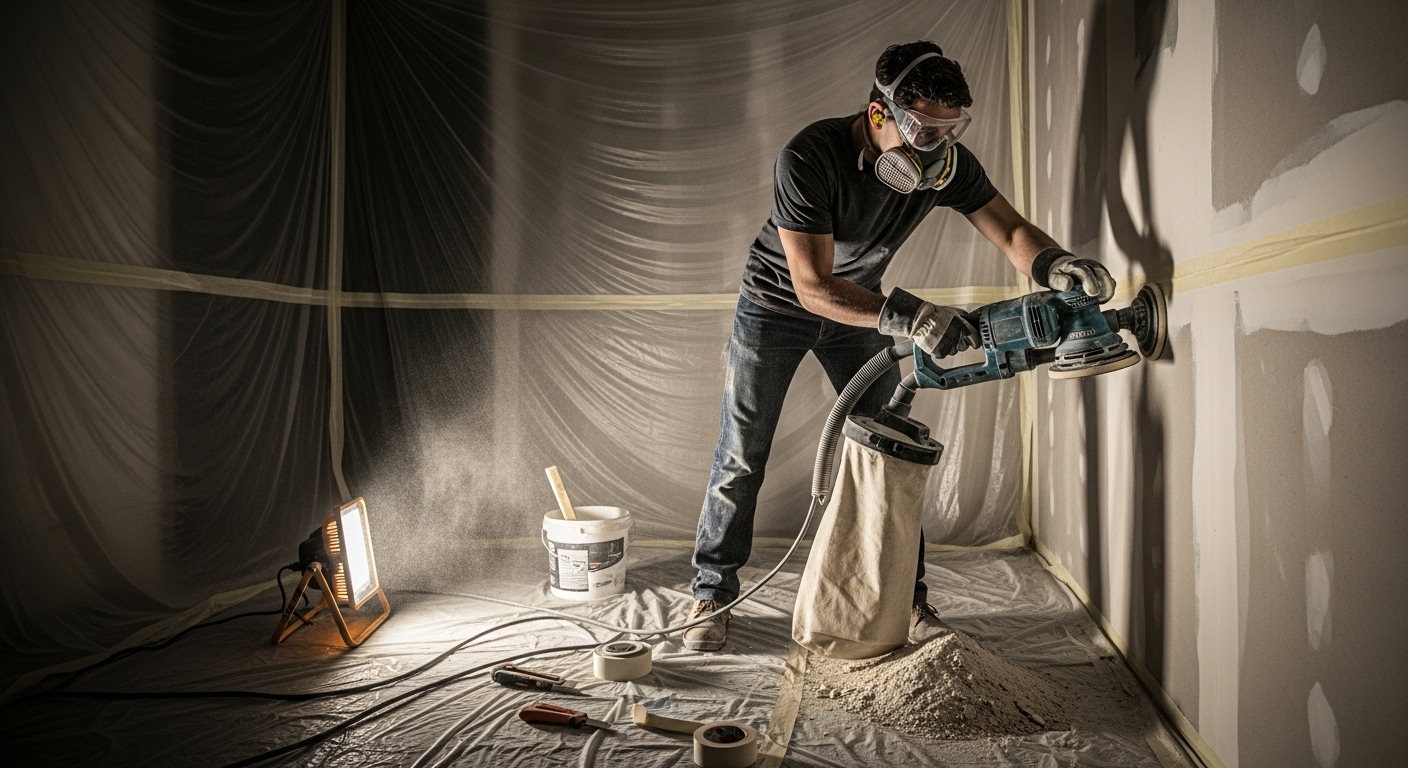
- Eye Protection: Safety goggles or glasses shield your eyes from debris, dust, and flying particles.
- Gloves: Durable gloves protect hands from cuts, chemicals, and splinters.
- Respirators or Dust Masks: Essential for sanding, cutting, painting, or working with hazardous materials to prevent inhaling dust or fumes.
- Hearing Protection: Earplugs or earmuffs are necessary when using loud power tools like saws or nail guns.
- Appropriate Clothing: Long sleeves and pants protect skin; non-slip, closed-toe shoes prevent slips and injuries on construction sites.
- Hard Hats and Knee Pads: Consider for demolition or extensive overhead work to avoid head and joint injuries.
Always maintain tools in good condition—dull blades and frayed cords can lead to accidents. Before use, inspect tools carefully and replace or repair any damaged pieces.
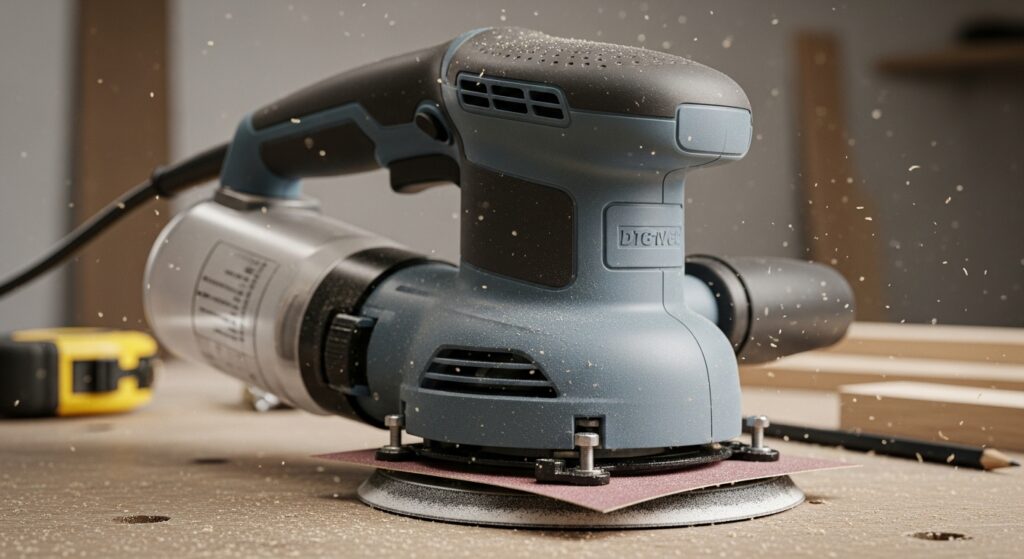
Managing Dust and Air Quality During Renovation
Dust and airborne particles from activities like sanding or demolition not only irritate but may pose long-term respiratory hazards. Effective management strategies include:
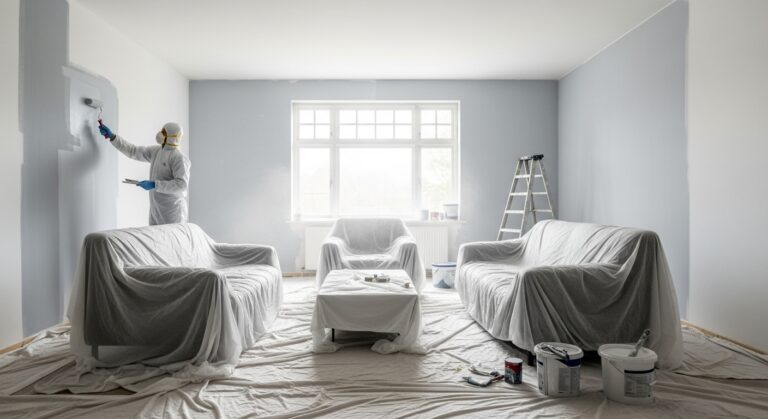
- Sealing off work areas with plastic sheeting to prevent dust spread.
- Using vacuum attachments on sanding tools and frequent cleaning to minimize airborne dust.
- Ventilating the space well with open windows or fans to reduce indoor pollutants.
- Wearing a properly fitted respirator rather than just a dust mask when working with insulation, mold, or hazardous materials like lead paint or asbestos in older homes.
Safety Best Practices When Using Tools
Power and hand tools are essential for DIY projects but also bring risks:
- Always read and follow manufacturer instructions carefully.
- Disconnect power tools when changing blades or making adjustments.
- Work on stable surfaces and maintain a clear workspace free of clutter.
- Never operate tools when fatigued or distracted.
- Keep cords away from walkways to avoid tripping hazards.
- Store tools securely when not in use, out of the reach of children and pets.
Protecting Your Family and Workspace
Renovation zones can be hazardous for others in the home. Keep safe by:
- Restricting children and pets from work areas using gates or barriers.
- Storing flammable or sharp materials safely out of reach.
- Keeping a fire extinguisher nearby when using heat tools or working near flammable products.
- Ensuring smoke alarms are functional especially in renovated spaces.
- Cleaning debris daily and airing out spaces before allowing normal household access.
Keeping safety top of mind throughout your DIY renovation will save you from injuries, delays, and costly mishaps. With the right tools, PPE, and preparation, your project can be both satisfying and secure.
To make your renovation project smarter and safer, get the Renovation Mastery Toolkit today to renovate smarter, master your budget, and turn your remodeling project into a success with expert guidance and practical tools.
If you are planning a bigger project, stay ahead of hidden costs and risks by downloading the Renovation Survival Checklist now and save yourself thousands by avoiding hidden renovation costs before you start.