
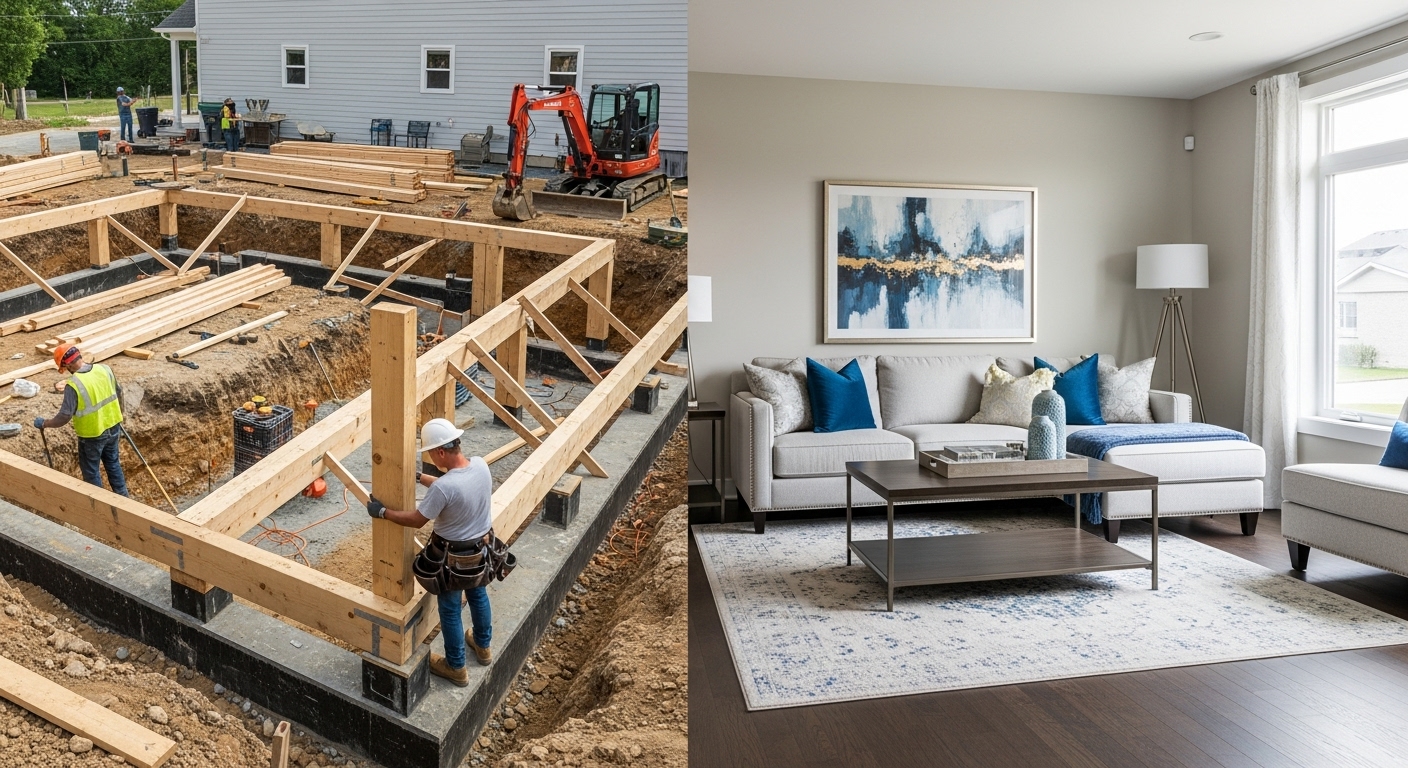
What to fix first in a renovation is usually the work that protects safety, controls water, and keeps essential systems functioning. Start by addressing urgent structural problems, active leaks, electrical or plumbing concerns, and required inspections or permits before spending time on paint, flooring, lighting, or décor.
This guide explains how to separate structural repairs from cosmetic improvements, how to respond when demolition reveals a hidden problem, and how to create a practical renovation priority list. The exact order can vary by property, local requirements, and professional advice, so treat this as a planning framework rather than a substitute for an inspection or licensed contractor.
What to Fix First in a Renovation: Structural vs. Cosmetic Work
Renovation tasks generally fall into two broad groups. Structural and safety-related work protects the building and its occupants; cosmetic work improves appearance, comfort, and day-to-day use. When the two compete for time or budget, safety, water control, and essential systems usually come first.
- Structural repairs: Address core safety and stability concerns.
- Cosmetic upgrades: Enhance aesthetics, comfort, and livability.
Getting the order right protects your investment and avoids wasting time and money on fixes that may need redoing. A written priority list helps you see which decisions are urgent, which depend on inspections or permits, and which can wait until the underlying work is complete.
Why Structural and Safety Issues Usually Come First
Structural repairs should be prioritized for these key reasons:
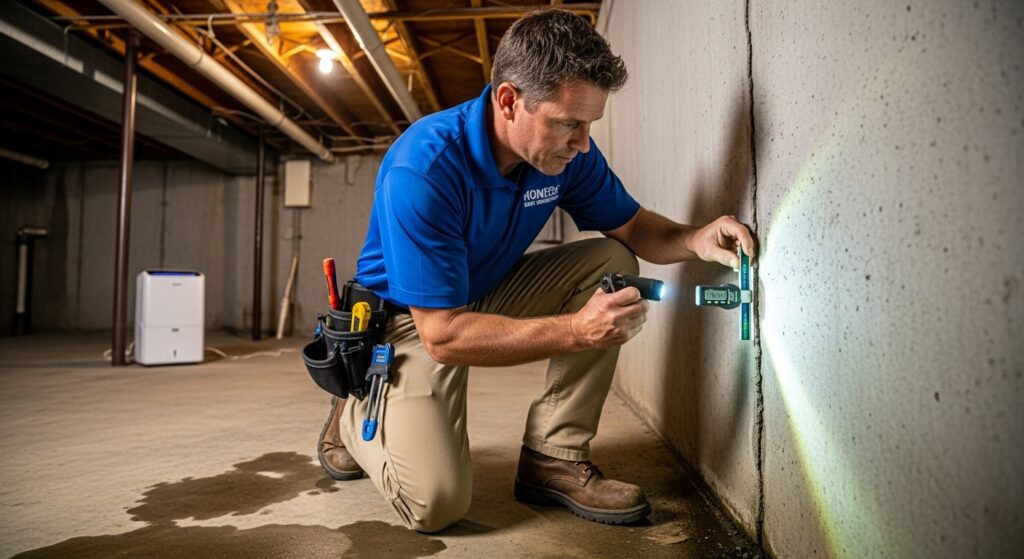
- Safety and Stability: Foundation cracks, roof leaks, or damaged support beams can threaten the entire home’s integrity. Addressing these early protects occupants and your investment.
- Cost Efficiency: Unresolved structural, water, or system problems can affect later work and may become more extensive if they are ignored. Addressing them early can reduce the risk of redoing cosmetic work, although the right response depends on an inspection and the nature of the problem.
- Building Permits & Regulations: Structural repairs often require permits and inspections—starting with these ensures compliance and prevents cosmetic work from being undone.
Common Structural Issues to Check Before Cosmetic Work
| Area to inspect | Signs to Watch | Why Prioritize |
| Foundation Problems | Cracks, water seepage, slanting floors | Prevent further settling damage |
| Roof Repairs | Leaks, sagging, missing shingles | Avoid costly water damage |
| Plumbing and Electrical | Faulty wiring, leaks, code violations | Ensure safety and system integrity |
| Load-Bearing Walls & Beams | Cracks, sagging, drafts | Maintain structural soundness |
| Windows and Doors | Drafts, moisture, sticking | Improve energy efficiency and security |
These examples are planning prompts, not diagnoses. If you notice signs of structural movement, active leaks, unsafe wiring, gas concerns, extensive mold, or other hazards, seek qualified local advice before continuing work.
An inspection checklist can help you organize questions and observations, but it cannot guarantee that every hidden problem will be found. Use it alongside appropriate professional inspection and local requirements.
Want a planning checklist?
Download the free Renovation & Styling Checklist to organize decisions before renovation or styling begins.
When Cosmetic Updates Can Begin
At this stage, group cosmetic tasks by room and by dependency. For example, complete ceiling or wall repairs before painting, install flooring before placing furniture, and plan lighting before final styling where wiring or fixture positions are changing.
- Refinishing or installing flooring.
- Painting walls and ceilings.
- Updating cabinetry, countertops, and fixtures.
- Enhancing lighting and décor.
- Small repairs like patching drywall and tiling.
This approach allows you to build comfort and style on a stable, safe foundation. Using expert planning resources guides your smooth transition from structural fixes to stunning cosmetic transformations, ensuring you complete every phase with confidence and clarity.
What to Do If Cosmetic Work Reveals a Structural Problem
Renovation work can reveal water damage, mold, damaged wiring, movement, or other problems that were not visible at the start. Pause the cosmetic work in that area, document what you found, and obtain appropriate professional advice before covering, removing, or continuing over the problem. The priority may need to change as new information appears.
5 Steps to Set Renovation Priorities
- Arrange an appropriate inspection: Ask a qualified local inspector or contractor to identify urgent concerns and areas requiring further assessment.
- Separate urgent, required, and optional work: Put safety, water control, essential systems, and compliance-related items ahead of cosmetic preferences.
- Check permits and dependencies: Confirm local requirements and identify which tasks must happen before others.
- Build a realistic sequence: Schedule repairs before finishes, and allow room for inspection findings, lead times, and access constraints.
- Review the list as conditions change: Update the order when demolition or inspection reveals new information.
A written sequence makes it easier to discuss scope, timing, and budget with the people working on the project.
Ready to organize your renovation priorities?
Download the free Renovation & Styling Checklist to review decisions before renovation or styling begins. It is designed to help you organize stages, identify common oversights, and keep the project plan visible.
If you want a more detailed paid planning resource after reviewing the free checklist, see the Renovation Mastery Toolkit.
💡 Regional Cost Tip: Labor and material costs vary widely across U.S. regions. Coastal states like California and New York tend to be 20–30% more expensive than the national average. Consider regional pricing to adjust your budget realistically.
Many homeowners underestimate the costs and challenges hidden in renovation projects. To avoid expensive surprises, it’s wise to have a renovation survival checklist. This quick-read tool highlights 20 common renovation traps to watch out for and save thousands before you begin.
Download the Renovation Survival Checklist here
Conclusion: A Strong Foundation for a Beautiful Home
Fixing structural issues before any cosmetic work protects your investment and gives you peace of mind. By following these priorities, your renovation will progress smoothly, safely, and efficiently, laying the groundwork for the beautiful home you envision. Remember, a successful renovation is about planning smartly and prioritizing well. Use the tools and checklists designed for U.S. homeowners to stay confident every step of the way.







One Comment