
Where to start a home renovation depends on the condition of the property, the problems you need to solve, your budget, and how much work you can manage at one time. Begin by defining the outcome you want, recording the current problems, setting a realistic working budget, and identifying the decisions that need professional or local approval.This guide gives you seven planning steps for moving from a broad idea to a workable renovation brief. It focuses on goals, budget, timeline, people, materials, and a manageable first project. If you already need to decide whether structural or cosmetic work comes first, read What to Fix First in a Renovation for that more specific decision.
1. Where to Start a Home Renovation: Begin With Your Outcome
Before choosing finishes or contacting contractors, write down what you want the renovation to improve. The goal might be better storage, safer systems, improved layout, easier maintenance, comfort, or a more cohesive style.
- Are you updating your home for comfort or modern style?
- Is this renovation for resale value or long-term living?
- Are there specific problem areas (like an outdated kitchen or leaky roof) that need urgent attention?
Tip: Write down your top three to five goals and rank them. A short priority list gives you a clearer brief and makes it easier to compare quotes or design ideas.
2. Set a Realistic Budget
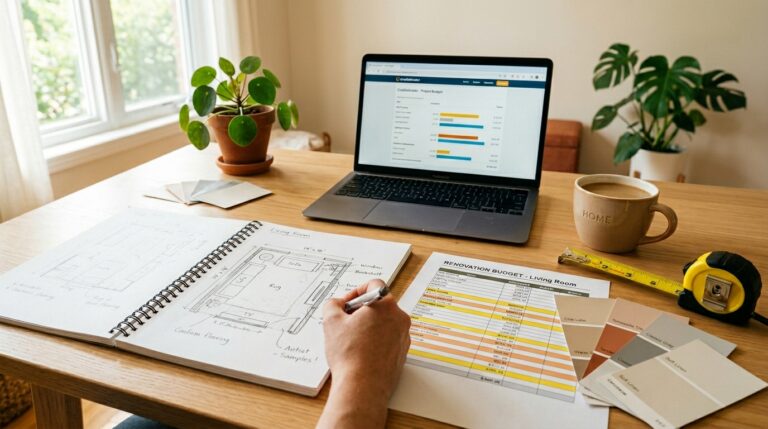
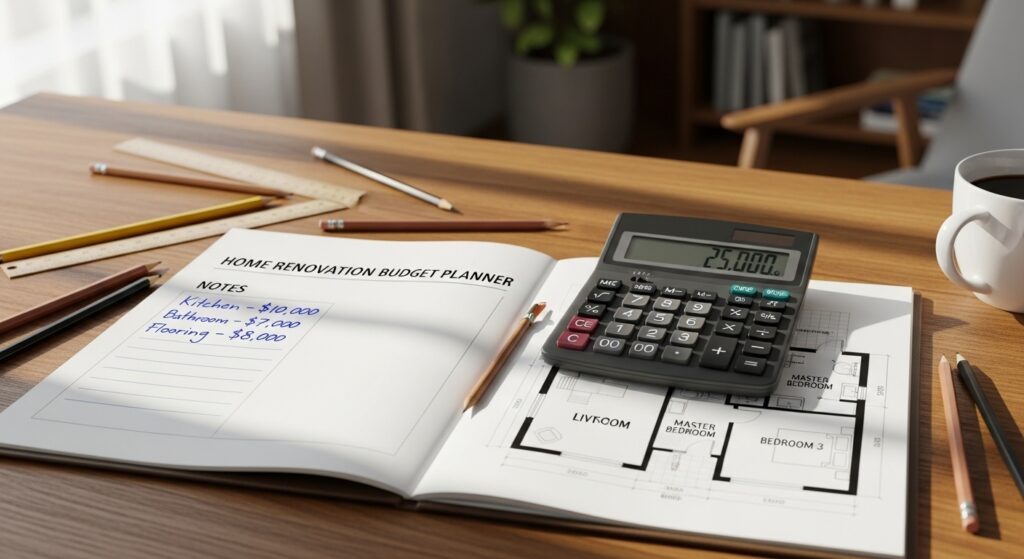
A renovation budget gives you a way to compare the project you want with the project you can realistically complete. Start with the work that solves the most important problems, then estimate materials, labour, approvals, delivery, and temporary living or storage needs where relevant.
Steps to build a working budget:
- Research current local costs for the type of work you are considering.
- Break the budget into project areas such as kitchen, bathroom, structure, systems, finishes, and furnishings.
- Keep a separate allowance for unexpected work, but choose an amount that is realistic for your finances rather than relying on a universal percentage.
💡 Free planning resource: Use the free Renovation & Styling Checklist to organize decisions, priorities, and budget notes before the project begins.
3. Plan Your Renovation Timeline
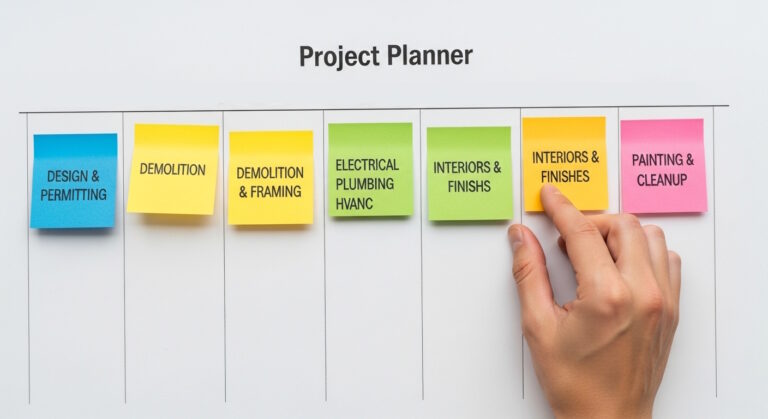
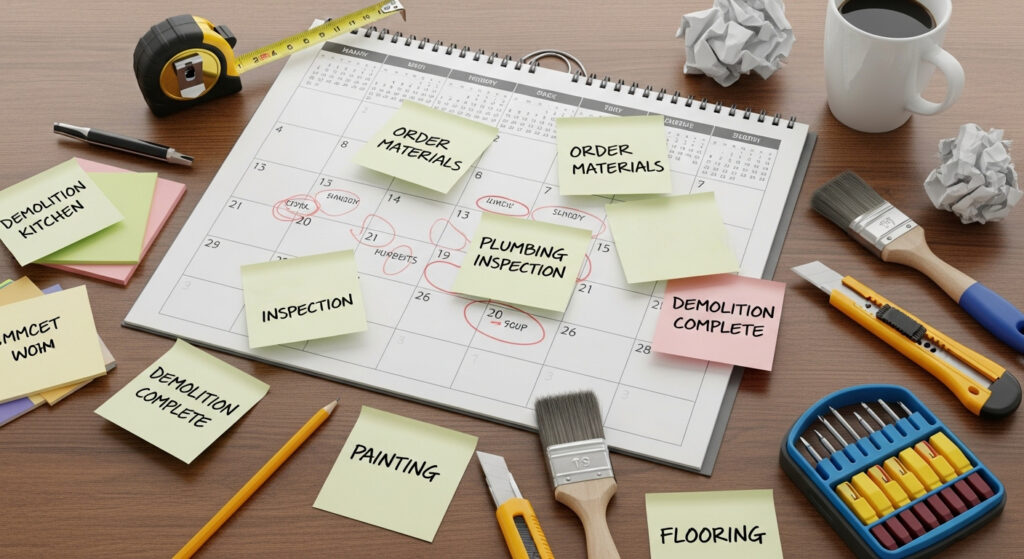
A renovation timeline is a sequence of dependencies, not just a list of dates. Identify which decisions, inspections, approvals, deliveries, and trades need to happen before the next stage can begin.
- Identify major milestones such as preparation, demolition, system work, repairs, finishes, and styling.
- •Sequence related tasks to reduce the risk of rework; for the structural-versus-cosmetic question, see the Renovation Order Guide.
- •Allow time for material lead times, contractor availability, inspections, changes, and cleanup.
If you need more detailed planning templates after defining your scope, review the Renovation Mastery Toolkit. This is an optional paid resource, not a requirement for starting the planning process.
4. Find the Right Professionals
The right help depends on the project. You may need a general contractor, specialist trade, designer, architect, engineer, inspector, or a combination of professionals. Define the work clearly before comparing people or quotes.
Tips for hiring:
- Ask for referrals and read online reviews as one source of information. When possible, request recent references and compare feedback with the proposed scope of work.
- Check relevant licenses or registration and confirm insurance requirements for the type of work and location. Requirements vary, so verify them with the appropriate local authority or professional body.
- Conduct interviews to ensure communication styles match.
- Ask questions about communication, scheduling, changes to the scope, and who will handle permits or inspections.
- Confirm who handles permits, inspections, waste removal, and changes to the scope.
- Keep written records of quotes, contracts, decisions, and approvals.

5. Source Materials and Design Ideas
Choose materials and design directions after the scope, measurements, dependencies, and maintenance needs are clearer.
- Compare durability, maintenance, lead time, installation requirements, and total cost—not only the purchase price.
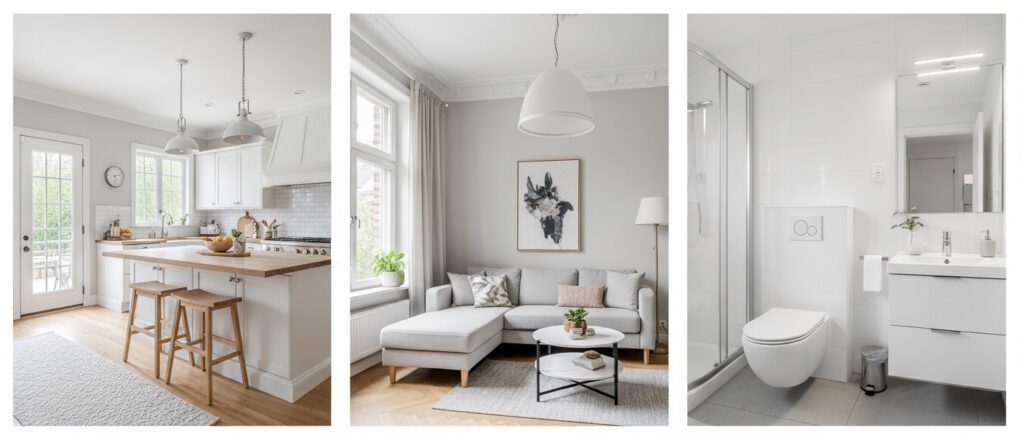
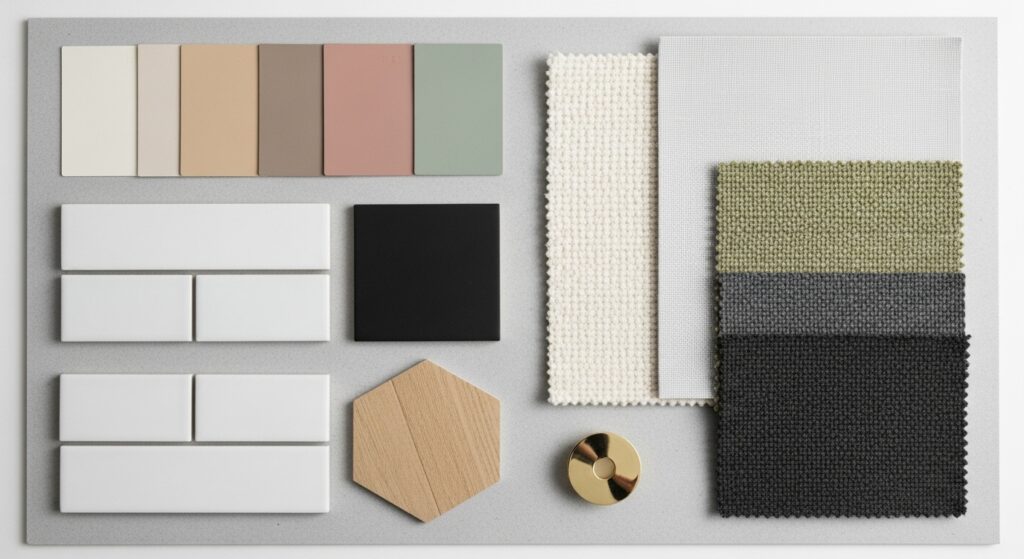
- Use a moodboard or saved reference images to test whether colours, finishes, and proportions work together.
- Order samples where possible, especially for materials that may look different in a room’s actual light.
- Treat trends as inspiration and choose permanent finishes that suit the property and the way you live.
6. Start Small & Test Before Big Changes
If the project feels too large, begin with a contained area or decision that will teach you something useful about the property. For example, test a backsplash material, paint colour, lighting temperature, or storage solution before committing throughout the home.A small test should not replace checks for safety, structure, moisture, permits, or professional requirements. It is a way to assess appearance, usability, and fit before repeating a choice across multiple rooms.
Example: Start with the bathroom or kitchen backsplash before moving on to structural changes.
7. Keep Track of Progress & Celebrate Wins
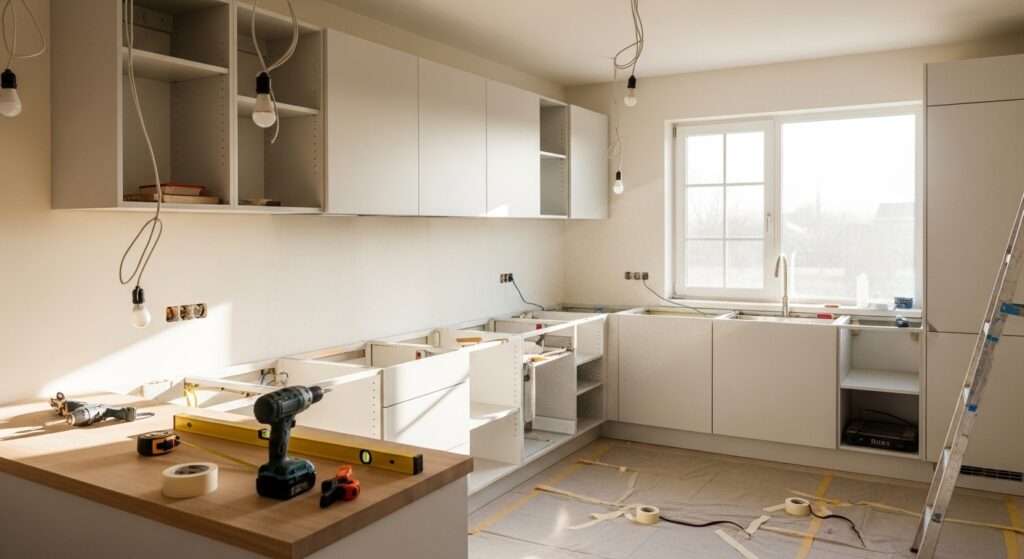
Renovation work can change as new information appears. Record completed milestones, photograph hidden conditions before they are covered, and update the plan when the scope, timing, or budget changes.
💡 Pro Tip: Keep a renovation journal with expenses, measurements, decisions, photographs, and lessons learned so you can review the project as it develops.
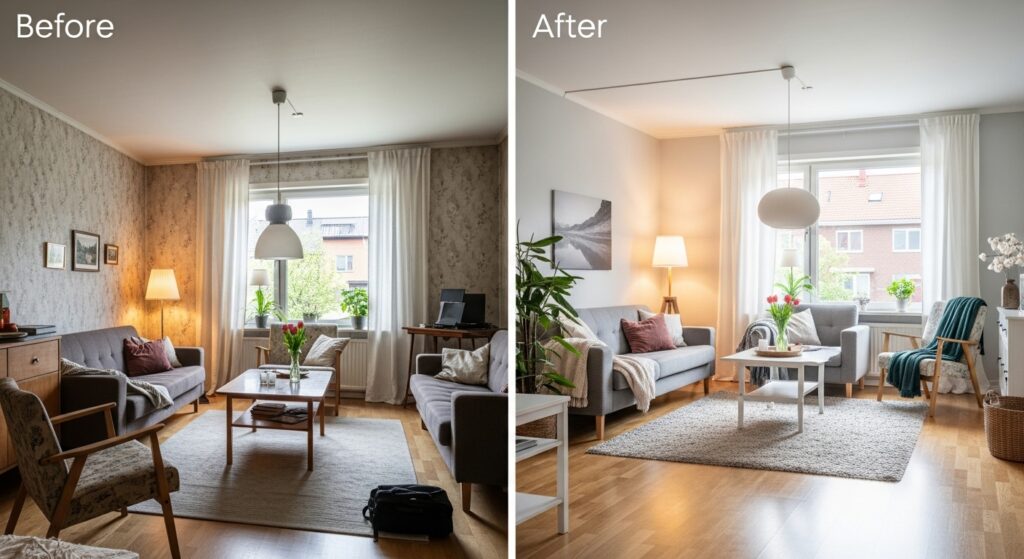
Wrapping Up
A Practical Starting Point for Your Renovation
You do not need every design decision before taking the first step. Begin with the outcome, document the current problems, define the scope, set a working budget, and identify the people or approvals the project may require. Then choose one manageable next action, such as measuring the space, requesting an inspection, comparing quotes, or creating a room-by-room brief.For the next step, download the free Renovation & Styling Checklist to organize your goals, priorities, and project notes.